Product Sales: 480.430.3376
 Print & Scan Requests: 602.224.9971
 Address: 3301 N 24th St. Phoenix, AZ 85016

Old-Fashioned Service Meets Modern Blueprinting


In today’s fast-paced, technology-driven world, businesses often overlook the importance of customer service. But at AZ Overland Blueprint, we pride ourselves on offering a personal, old-fashioned approach to our plotting, printing, copying, and scanning services. While we utilize the latest technology to meet the needs of modern businesses, our foundation is rooted in the timeless principles of quality service, reliability, and a customer-first mindset.

Plotting: Precision with a Personal Touch
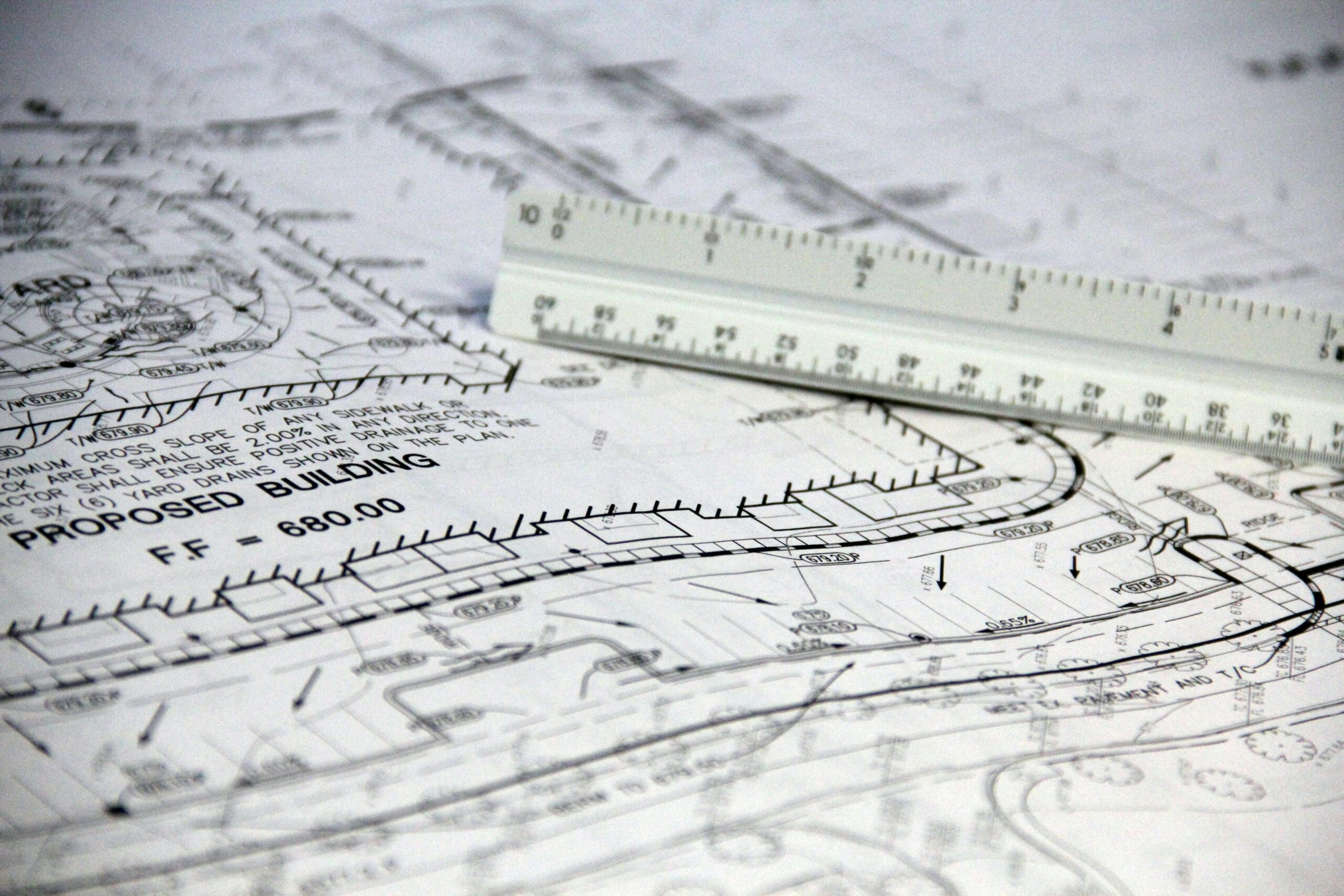
Plotting large-format documents requires accuracy and attention to detail. Our state-of-the-art equipment ensures every line, dimension, and graphic is crystal clear. But what truly sets us apart is the extra care we take with every order. Whether you’re an architect, engineer, or designer, we understand how crucial your project is, and we treat it as if it were our own. That means going the extra mile—double-checking your files for potential errors, offering suggestions for improving readability, and working closely with you to ensure the final product exceeds expectations. This personalized service, reminiscent of a time when businesses thrived on relationships, is what makes us stand out.

The Story of Mr. Austin

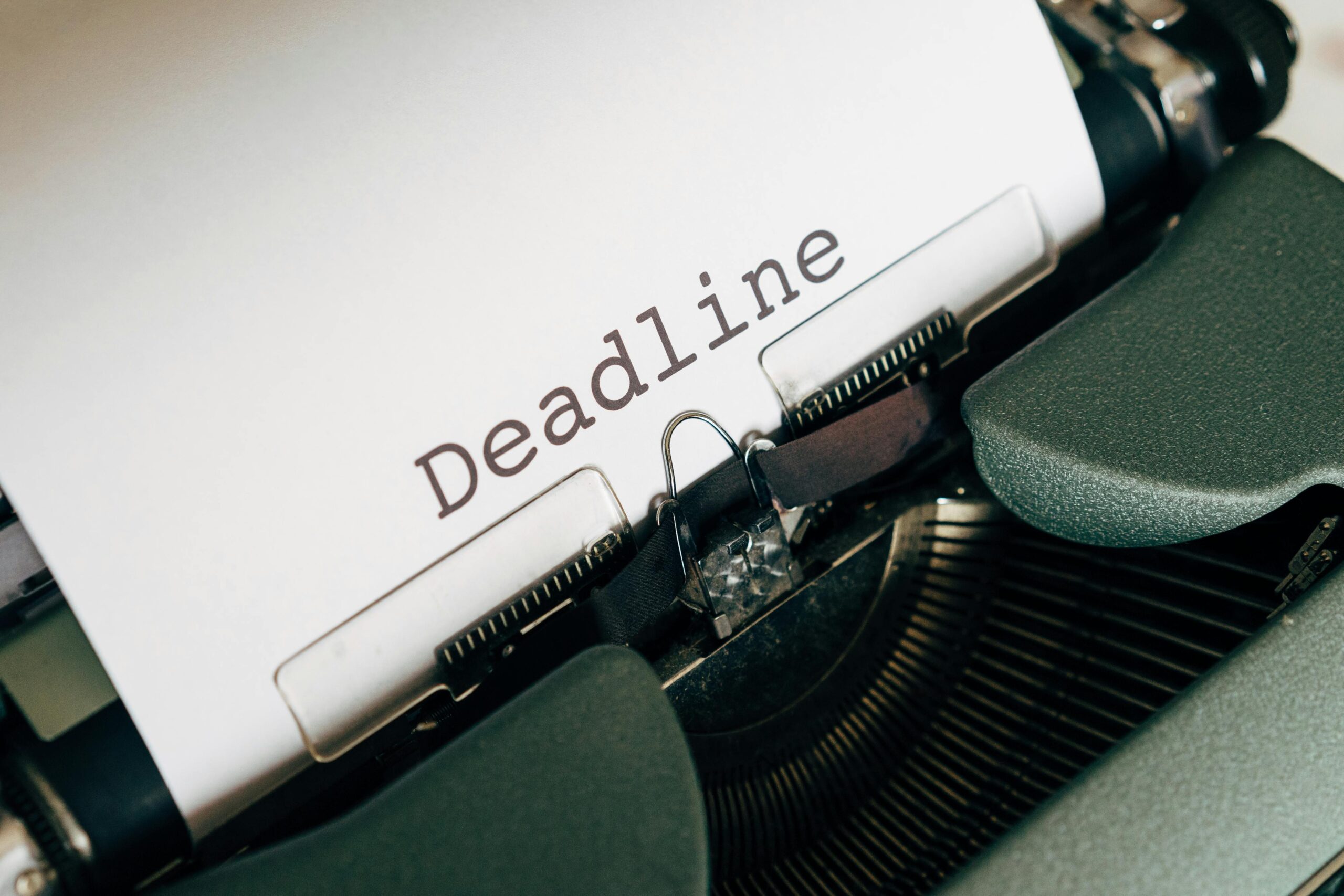
One morning, Mr. Austin, an architect working on a critical project, walked into our shop with several large blueprint files. He was on a tight deadline, and every detail of his plans had to be perfect. As we began reviewing his files, we noticed a small, but significant, error in one of the layouts—a missing letter “Y” that displayed as a void every-time the letter “Y” was to appear that could have led to costly issues during the permitting phase.

Rather than just running the files through the printer and sending him on his way, we took the time to reach out and explain the issue. Mr. Austin was surprised, not only because we had caught the mistake, but because we cared enough to check. Many printing services he’d worked with in the past would have simply printed what was provided without a second thought. After a quick adjustment, we had his revised files plotted and delivered ahead of his deadline. Mr. Austin told us that our attention to detail and personal care reminded him of the days when people took real pride in their work—something he thought was lost in today’s world.

This is the kind of old-fashioned service we strive to deliver every day, where customer satisfaction is more than just a box to check—it’s our priority.
Printing: Quality You Can Count On

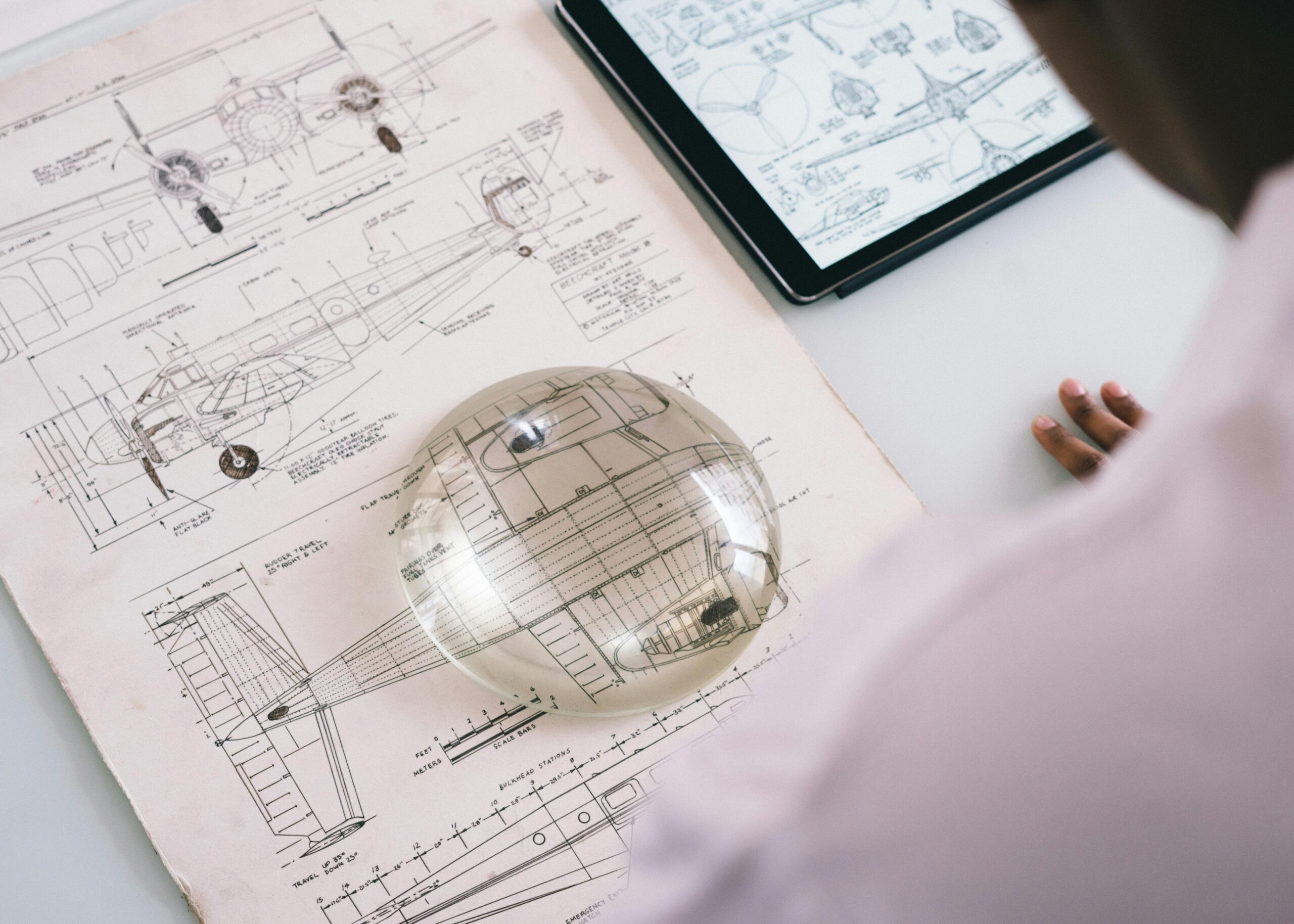
At AZ Overland Blueprint, we don’t just hit “print” and call it a day. We believe in listening closely to your needs, ensuring every project is tailored specifically for you. Whether you need large-scale prints, of architectural or engineering drawings or plans, schematic parts diagrams, maps, or plans for a life-size hobby airplane that you intend to build, our team is dedicated to making sure your vision comes to life. In today’s world of rapid transactions, we still take the time to ensure every print job is perfect. This personal touch, which may feel like a relic of the past, is our way of showing you that we care about your business as much as you do.

Ms. Ashley’s Request: Going the Extra Mile

Ms. Ashley, a local small business owner, came to us with a special request. She needed promotional posters and a banner for her new shop, but she wasn’t confident about the design she had created. Instead of simply running her file through our printer, we invited her to sit down and review the design with us.

We discussed color schemes, fonts, and layouts—offering suggestions to make her posters and banner more eye-catching and professional. Our team even made a few quick adjustments on the spot, tweaking the graphics to ensure her brand stood out. It wasn’t a large order, and it would’ve been easy to process without much interaction. But by taking the extra time to understand Ms. Ashley’s vision, we were able to deliver a product she was truly proud of. When she saw the finished products, her smile said it all.

This kind of personalized, thoughtful service is something we believe in wholeheartedly. We don’t just print; we build relationships.

Copy Services: When Reliability and Trust Matter

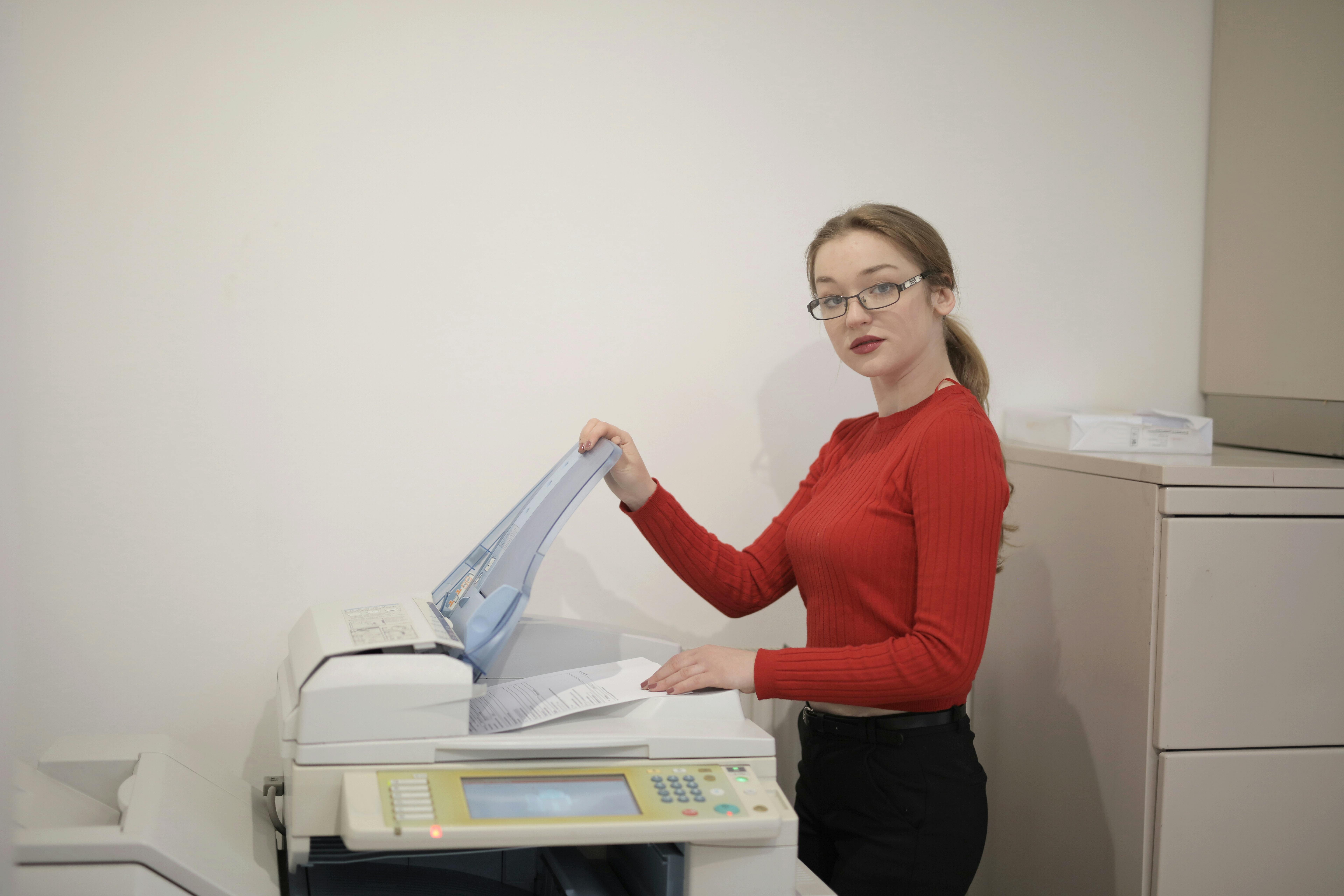
Copying might seem like a straightforward service, but we know that our customers often need more than just quick duplication. Whether it’s for a large presentation or important legal documents, you need to know the job will be done accurately and on time. Our high-volume copiers can handle even the most demanding jobs, but speed never comes at the expense of quality or care. Every copy is checked for clarity, accuracy, and alignment, and if something isn’t perfect, we’ll make sure it’s corrected before it reaches your hands.
The Case of the Time-Sensitive Documents

A local law firm, pressed for time before a major court case, came to us in need of thousands of document copies—exhibits, filings, and more. The deadline was tight, but rather than rushing through the task, we assigned dedicated staff to ensure every page was clear and properly organized. Throughout the process, we stayed in contact with the firm to make sure everything was progressing smoothly.
We even had one of our team members personally deliver the completed documents to the firm’s office. They later told us how much they appreciated the extra care, as it allowed them to focus on their case knowing the document handling was in expert hands. It’s this level of reliability and trust that defines our copy services—a nod to the days when personal accountability was key in business.

Scanning Services: Preserving Your Legacy

In an age where digital records are crucial, we treat every scanning project with care and respect. Whether we’re scanning historical documents, architectural plans, or schematics of manufactured parts, we understand that each document holds value. We work carefully to ensure that every scan is high-resolution, preserving even the smallest details for years to come.

A Historical Preservation Project

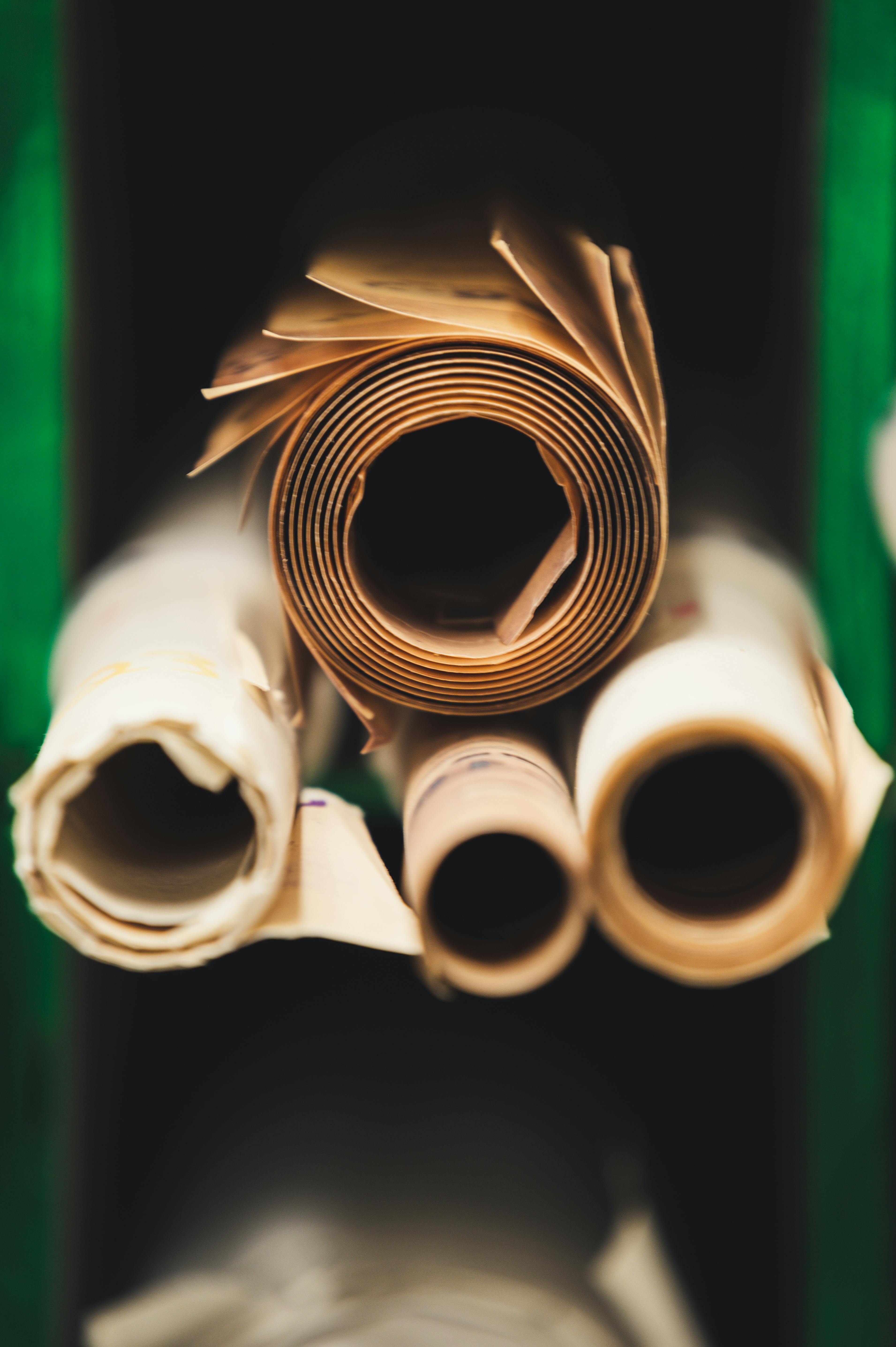
Recently, we had the privilege of working with a local historian on a project that involved scanning a collection of fragile, century-old maps. The importance of these documents couldn’t be overstated—they were a vital part of the region’s history. Each map required careful handling and delicate scanning to ensure every crease, line, and note was captured without damaging the originals.

Instead of rushing through the process, we treated each map with the reverence it deserved, ensuring that the digital scans were of the highest possible quality. The historian was thrilled with the results, knowing that these irreplaceable documents were now preserved for future generations. For us, it was more than just a scanning job—it was a responsibility we were proud to fulfill.
Why Choose AZ Overland Blueprint?

At AZ Overland Blueprint, we are more than just a printing service provider—we are a partner you can trust. In an era where customer service often takes a back seat, we remain committed to offering the kind of personal, old-fashioned service that makes you feel valued. Our experienced team is here to guide you, whether you need advice on a project, help troubleshooting a file, or just a friendly conversation.

We understand the importance of deadlines, accuracy, and affordability. But above all, we believe that building relationships is what truly sets us apart. When you choose AZ Overland Blueprint, you’re not just getting a service—you’re getting a team that cares about your success as much as you do.

At AZ Overland Blueprint, we bring together the best of both worlds: cutting-edge technology and good, old-fashioned service. Stop by today to experience the difference for yourself! Do you have a need for plotting, printing, copying, &/or scanning services? Contact us today or call us now at (602) 224-9971, we’re happy to help!
What Every Construction Company Must Have For Success

In the construction industry, having the right tools can make the difference between a thriving business and one that struggles to stay afloat. While hard hats and heavy machinery are essential, even more crucial are effective communication tools.  Herein, we’ll reveal how some important elements have transformed construction businesses, improving efficiency, enhancing safety, streamlining operations, and boosting sales.  Subcontractors in trades like plumbing, electrical, HVAC, and concrete, as well as adjacent industries such as architecture, design, and engineering, also find these tools invaluable.

Short Story: Construction Company’s Crazy Challenge

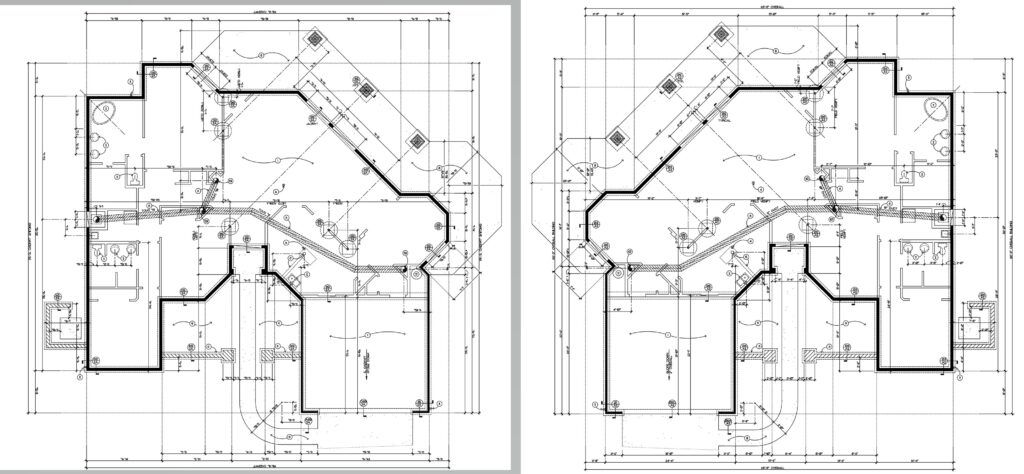
Consider the story of a mid-sized construction company that faced major challenges during a large commercial project. Midway through the construction of a commercial project it was noticed by the owner that the building was being constructed in reverse; he noticed that the entry was towards the left side when it should have been towards the right side. Apparently, the backwards building that was first constructed was built off of an early rendition of the plans.  You must be thinking that there’s no way that that could have happened, but it did!  Yet, it gets worse, there were also several minor incidents, and an accident occurred too!  This was due to poor communication and unmarked hazard zones. The project became increasingly chaotic, had fallen behind schedule, as costs began to escalate.

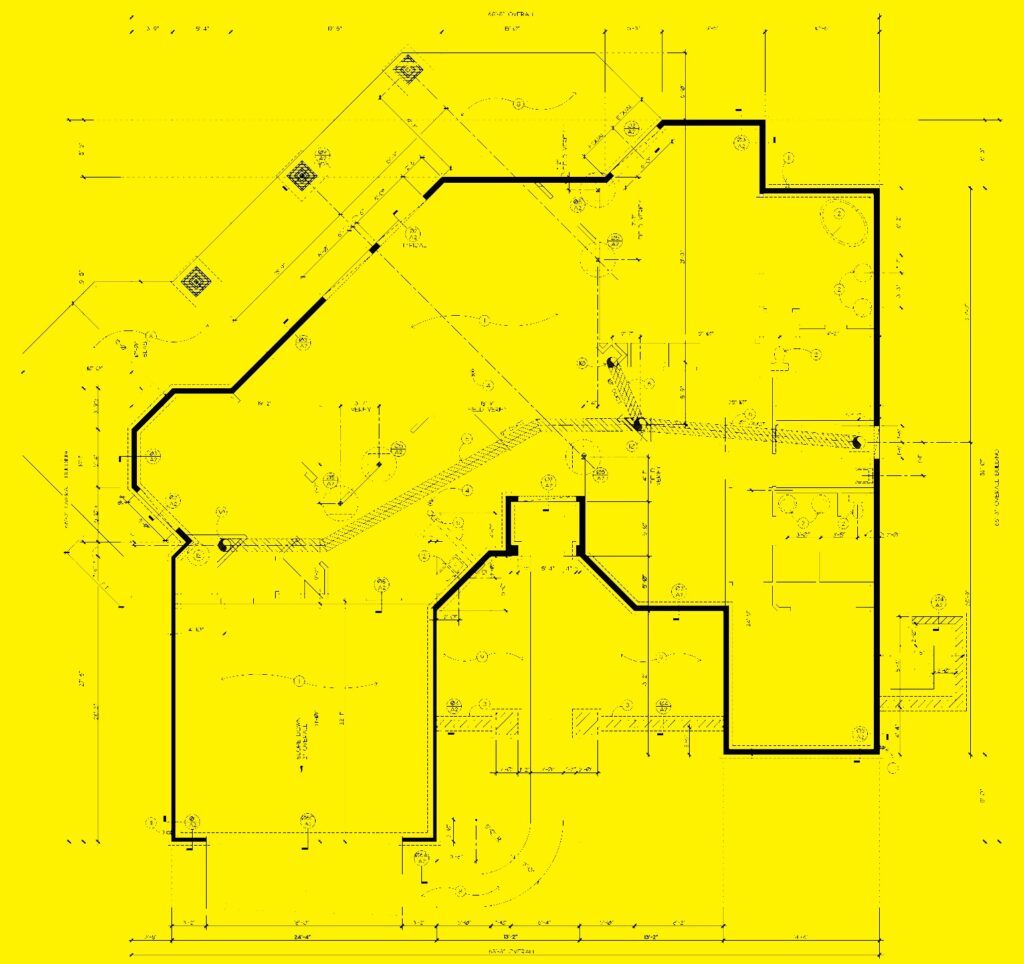
Desperate to regain control, the construction company replaced the project manager who overhauled their entire communication strategy. They installed clear, strategically placed safety signs and directional signage. Additionally, they partnered with our blueprint shop to produce blueprints in an alternate paper color (yellow) signifying that the yellow sets were the construction sets to be built off of.

There is more to the story that we’ll get to…

The Ultimate Tools for Construction Success

Blueprints: The Core of Every Project

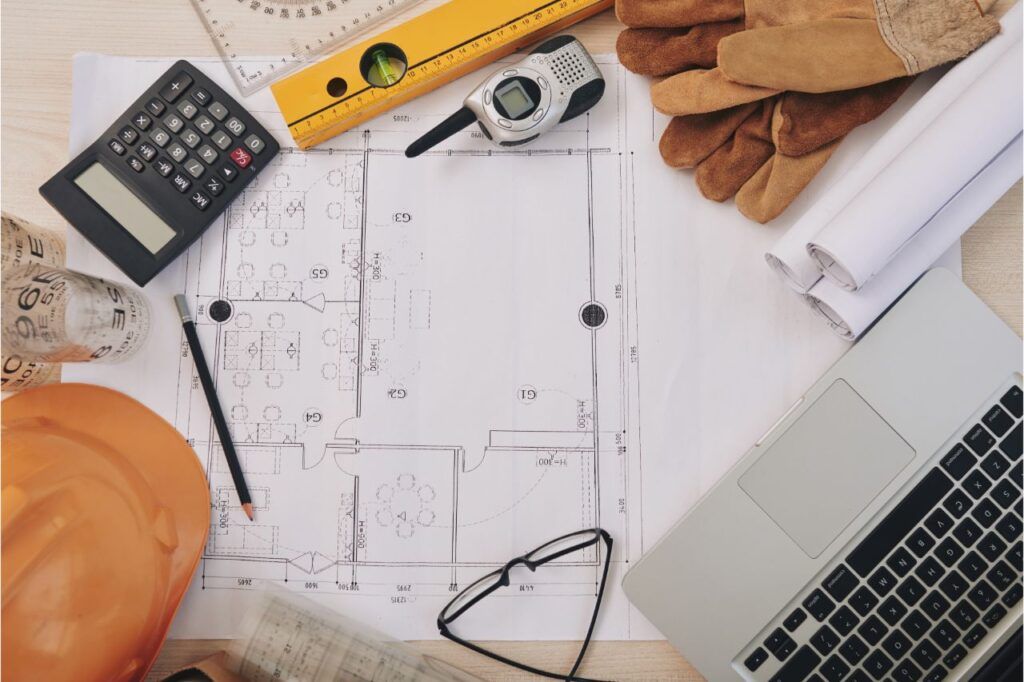
Blueprints signify precisely what is to be built, what materials are to be used, and where everything is to go; blueprints are the instructions of any construction project.  Yet, blueprints go beyond being mere technical documents; they are essential tools for constructing buildings, planning electrical layouts, installing plumbing systems, and much more. They need to be detailed, readable, and accurate, serving as the critical link between architectural design and actual construction. Detailed, precise, and clear blueprints prevent costly errors and ensure every aspect of the project is meticulously constructed as planned.  However, there may be several renditions of the blueprint plans, as they most often change during the design process.  Partnering with a reliable blueprint shop can help to elevate the quality and accuracy of the blueprints for any construction project.

Pro Tip: Choose a blueprint shop that offers high-resolution digital printing and customization to meet your specific needs. One that services the customer above all else by being quick to respond and genuinely eager to help the customers achieve their objectives, and that doesn’t hesitate to ask questions.

Bid Construction Projects

Signage

Safety Signs: Protect Your Team

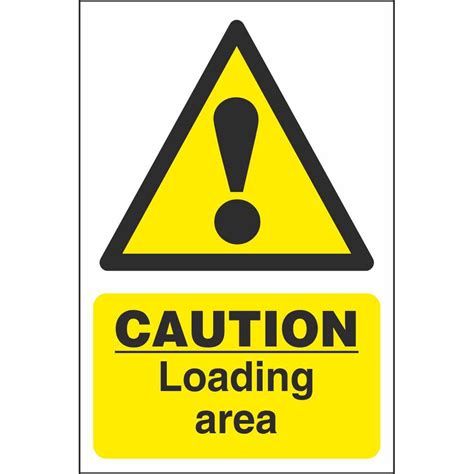
Picture a bustling construction site where everyone knows exactly where to go and what to avoid. That’s the power of well-placed safety signs. These aren’t just compliance tools—they’re life-savers, preventing accidents by clearly marking hazards and directing traffic.

Pro Tip: Collaborate with a large format print company to design a strategic plan that maximizes visibility and safety.

Other Signs: To Navigate with Ease

Efficiently guiding workers, visitors, and suppliers is crucial for smooth operations. Informative signs reduce confusion, enhance safety, and streamline traffic flow, ensuring your site runs like a well-oiled machine.

Pro Tip: Design signs with bold, clear graphics and place them strategically for maximum impact.

Banners: Capture Attention and New Clients Too

Why blend in when you can stand out? Transform your construction site into a marketing magnet with vinyl and mesh banners. Durable and weather-resistant, these banners not only enhance your site’s professional look but also attract potential clients with bold, eye-catching designs.

Pro Tip: Customize your banners with vibrant graphics and concise messaging to leave a lasting impression.

Vehicle Wraps or Magnets: Drive Your Brand

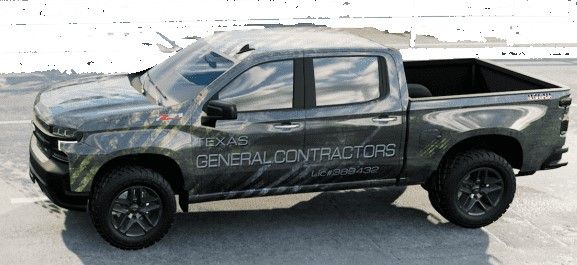
Turn your fleet into moving billboards with vehicle wraps or more affordable magnets. Imagine your logo and contact information reaching thousands of potential customers daily as your vehicles travel through the city. It’s mobile marketing at its finest.  Parked at the job site helps to let everyone know that you’re working on that project!

Pro Tip: Ensure branding consistency across all vehicles and use high-quality materials for a polished, professional look.

Pro Tip: Use vehicle magnets for temporary branding or safety messages that can be updated as needed.

…And For the Rest of the Story

Our customer, the construction company, shortly after replacing the project manager who had overhauled their entire communication strategy realized immediate and dramatic results. The construction company demolished the backwards built 1st rendition in one day!  There were no more accidents, worker efficiency improved, and the project got back on track. The clear communication not only enhanced safety and productivity but also impressed the client, leading to additional contracts.

Why Effective Signage and Blueprints Are So Important

The most profitable construction sites maintain that safety is paramount, the company’s brand stands out, and operations run seamlessly.  By investing in essential tools like accurate blueprints, safety signage, banners, and vehicle wraps or magnets, you too can transform your business to achieve extraordinary success. Every construction company, whether dealing with residential homes, commercial buildings, or large-scale infrastructure projects, can gain a competitive edge with the right blueprints and signage. From subcontractors in plumbing and electrical to architects and engineers, everyone stands to benefit.

Are You Ready to Build a Brighter Future?

It’s important to equip your company with the tools it needs to excel. Embrace the power of effective signage and accurate blueprints, and watch your business reach new heights. The future of your construction business starts now—let’s build it together.

If you don’t have a trusted Blueprint Shop to work with, you can certainly send the work to us; we are very affordable! We are extremely efficient and are very professional!  Call us today at (602) 224-9971 or contact us now, we’re happy to help!

5 Reasons to Only Trust a Blueprinter to Print, Copy & Scan Plans

In the intricate realms of duplicating schematics, or architectural, engineering, and construction documents, the necessity for every project lies in the precision and reliability of its plans. As the foundation of successful project execution, plans guide the way forward, making the accuracy of their reproduction an absolute necessity. Enter the unsung heroes of the print room – the Blueprinters, equipped with the expertise to ensure your plans are not just replicated but meticulously crafted for optimal clarity and precision.

The Significance of Blueprint Plans in Various Industries

Whether it’s intricate schematics, a towering skyscraper, a complex bridge, or a residential development, plans are the guiding force behind every successful project. Clear, accurate plans are not just a convenience but a necessity, preventing complications and errors during implementation. The need for a reliable partner in plan reproduction becomes evident as we navigate the common challenges posed by conventional printing and copying. rent large scanner, buy Large document scanner, Large format scanner, inkjet printer, Wide printer near me, Plotter scanner near me

Common Challenges with Conventional Printing and Copying

MUST BE TO SCALE!

Size limitations, image distortion, stitching, color accuracy, and inconsistent scaling issues can plague conventional printing and copying methods. Such challenges have a direct impact on the interpretation and execution of plans, potentially leading to costly errors down the line. It’s in these challenges that the role of a Blueprinter becomes crucial.

The Expertise of a Blueprinter

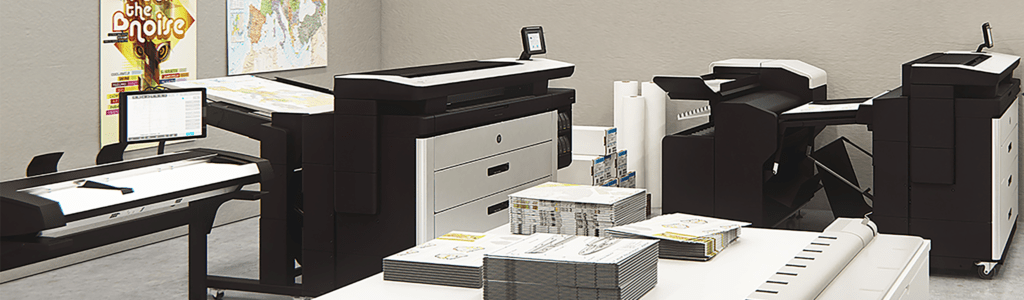
Blueprint Scanning ServicesBlueprinters bring a unique set of skills and knowledge to the table. Armed with advanced printing and scanning equipment specifically designed for plan reproduction, they ensure that every detail is captured with utmost accuracy. Meticulous attention to detail and stringent quality control measures are the staples of a Blueprinter’s work, setting them apart as professionals of precision.
Technology and Innovation in Blueprinting

In the ever-evolving landscape of technology, Blueprinters stay ahead of the curve. The latest advancements in blueprinting technology, complemented by innovative tools and software, contribute to enhanced accuracy and efficiency in plan reproduction. This marriage of expertise and technology forms the foundation of a Blueprinter’s service.

Trust and Reliability

The core competency of a blueprint shop is in printing, copying, and scanning blueprints; this is why Blueprinters are experts at blueprinting.  Places that offer blueprinting as an ancillary service are significantly less attune to the nuances of blueprint reproduction.  Trust your blueprints to a professional blueprint shop for the peace of mind that the plans are being reproduced properly.  Trust is at the core of the relationship between clients and Blueprinters.  By consistently delivering accurate properly scalaled results, Blueprinters establish themselves as reliable partners in the intricate performance of project execution. The peace of mind that comes from knowing your plans are in capable hands is invaluable.

Blueprinting Cost-Efficiency and Time Savings

Money made scanningInvesting in a Blueprinter’s services isn’t just about accuracy – it’s a strategic move for long-term cost savings. The time efficiency gained through the expertise of a Blueprinter allows clients to redirect their focus to core competencies, creating a symbiotic relationship that goes beyond mere plan reproduction.  A blueprint shop is likely to be significantly less expensive than national chains or franchises.
Case Studies and Success Stories

Real-world examples speak louder than words. From monumental skyscrapers to intricate infrastructure projects, Blueprinters have played a pivotal role in ensuring the success of diverse ventures. Case studies and success stories underscore the tangible benefits of entrusting your plans to the skilled hands of a Blueprinter.

In Summary

When considering project execution, the role of a Blueprinter emerges as indispensable. As we navigate the challenges of reproducing plans, the Blueprinter stands as a formidable point of precision and reliability. In choosing to trust a Blueprinter for printing, copying, and scanning your plans, you’re not just investing in a service – you’re investing in the assurance that your project is going to be duplicated properly.  By choosing to work with an expert in blueprint reproduction; in addition to the unparalleled efficiencies, you’re likely to save some money too! Prioritize accuracy, embrace reliability, and save some money with the expert care of a Blueprinter.  If you don’t have a trusted Blueprint Shop to work with, you can certainly send the work to us; we are very affordable! We are extremely efficient and are very professional!  Call us today at (602) 224-9971 or contact us now, we’re happy to help!

CAD Printers are Being Used in 5 Common Alternative Ways

Starting from an idea, Computer Aided Drafting (CAD) software is the primary point to creation.  CAD printers are the pivotal component that offers professionals like architects, engineers, and designers to actually see the drawings and plans as they create, modify, and alter the designs throughout the process. These professionals also utilize large format printing for collaboration on projects and to deliver prints for the client, permitting, bidding, and construction.

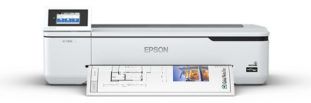
Epson SureColor T3170M, desktop printer, best desktop printer,CAD printers, or large format plotters aka blueprint plotters that are designed for CAD professionals are now equipped with some really nice features, and come at cost-effective price points.

Large format plotters have long been thought of for only a particular use; yet now these large format plotters are commonly used in a variety of unique ways to help enhance productivity and efficiencies in a wider range of industries.

Collaboration

Large format plotters utilize printing technology that provides easy access to pertinent information, streamlines communication, and therefore improves the projects workflow.  This aids professionals to plan and execute projects more effectively.
Large format CAD plotters allow professionals to print and view 24”x36” or larger plans; as opposed to viewing PDF documents on a smaller screen.

Adding a wide format scanner provides copying capabilities, and makes it easy to send scanned copies virtually anywhere.  Some scanners also offer the convenience of annotating directly on the digital image, which can be very useful for collaborating.

Alternate Uses

Graphics

Often a blueprint plotter is purchased for a specific purpose; however, once you own one, wouldn’t it be nice to find other uses for it?  Well, a lot of companies feel the same way; often successfully finding other uses for it.  Some large format plotters are equipped to provide top-notch graphics applications.  Companies are realizing that these large format plotters can also be quite versatile in what they can print. So, printing promotional / marketing posters or break-room posters becomes a lot more economical when the blueprint plotter is already in-house.  Additionally the large format plotter can print useful direction and safety signage, and aesthetically pleasing wall art or graphics.
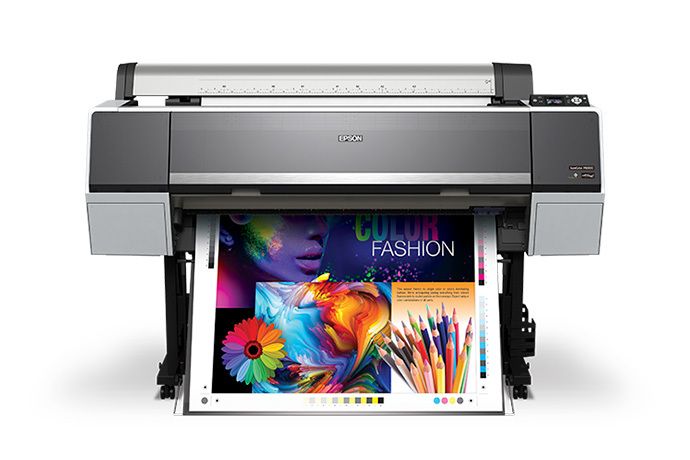
Some particular large format graphics plotters can print on paper as well as on vinyl and and adhesive material; so some companies put these plotters to use for printing banners and decals. Signage can also be customized more easily if you own your own large format photographic plotter.

Project Charts

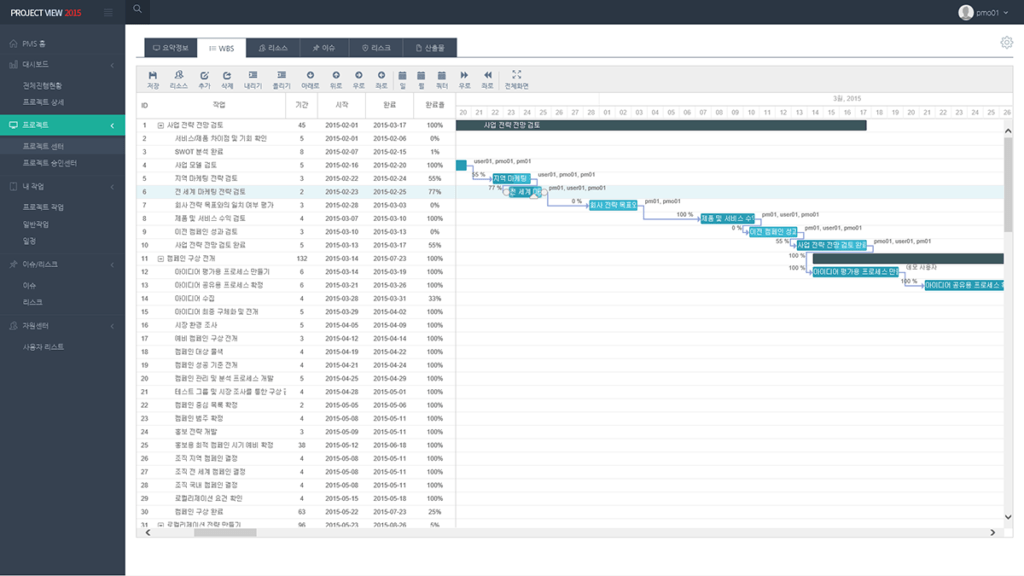
Although most architectural and engineering firms as well as construction companies most commonly purchase large format plotters to print blueprints, technical documents, renderings, and drawings; there are still other uses as well.  These can be project timelines, flowcharts and spreadsheets; which can also be quite helpful with collaboration and for keeping the projects on schedule.

Maps / GIS

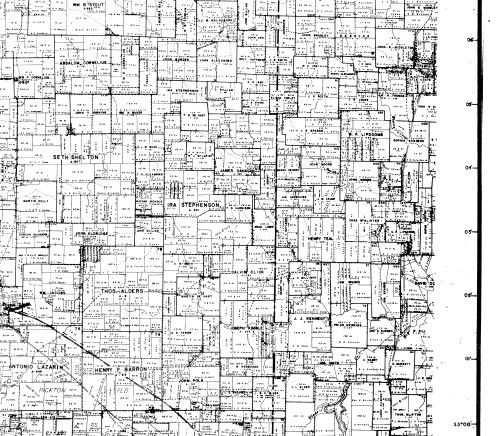
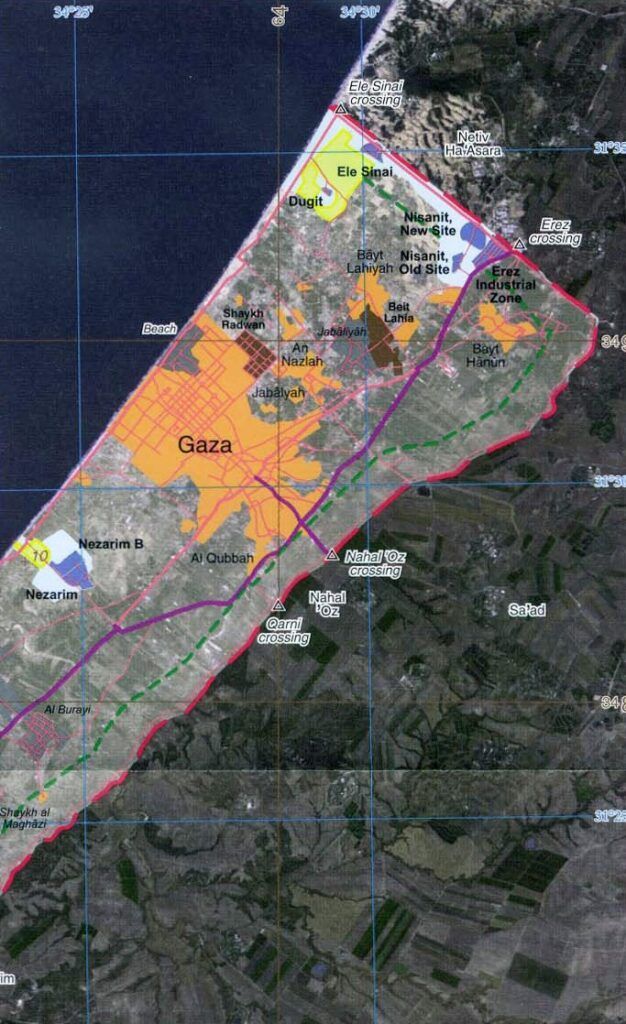
Since a large format plotter prints with precision and accuracy they are ideal for printing maps for engineering or Geographic Information System (GIS) applications, as well for anyone that has a need to print large scale maps.  These can include industries such as: forest services, municipalities, Real Estate, agriculture, mining, and travel.

Emergency Response

When responding to emergencies or natural disasters such as hostage situations or wildfires, it’s critical for emergency response agencies to have accurately detailed information for planning a safe and effective response.  Large format printers can print large scale plans and maps to properly display the pertinent details.  By looking at large prints emergency responders can pinpoint potential dangers, safe zones, and plan-out possible evacuation routes.  Additionally, the large print outs can show important information such as topography, roads, vegetation, water sources, power & gas lines, and other critical factors that are analyzed and used to assess the hazard and risk for an area.

In Summary

Sure, large format printers are used for blueprint printing, but as we discovered, there are a plethora of other uses for this fine technology as well.  So if it’s for blueprint printing for collaboration, charting the progress of a project, printing graphics, map printing, or for emergency response; finding the right large format plotter is crucial as all large format printers are certainly not the same.  Prior to making any decisions, it’s important to discuss your intended alternative uses with a wide format printer expert, so that you get the proper recommendation. If you’d like to speak with our printer experts please call us at (602) 224-9971 or contact us now, we’re happy to help!

Sub-Contractor Wins Bid & (Nearly) Goes Out of Business!

He has been building his three year old small sub-contracting business by biding competitively, providing quality workmanship, no hassle service, and delivering on time.  So, when he submits a bid for a substantial project, and wins, he is elated!  He takes his wife out for a nice dinner to celebrate!   This was going to be the project that puts his company on the map!  This small sub-contractor had just won a competitive bid for a sizable project!  But yet it nearly put him out of business!  Even though based upon the plans that he had, he accurately provided a very fair estimate with a modest profit.

What he didn’t realize was that the plans that the other print shop copied, were not to scale!  So, his bid was too low!  He had underestimated the quantity of material needed for the project!

In the world of construction, precision is paramount. When it comes to working with construction drawings, maintaining the correct scale is crucial. However, there are instances where the drawings scale changes just from being copied.  And when a drawing is intentionally enlarged or reduced this assuredly will change the scale. Herein, we’ll explore the implications of these changes on scale and how they can affect construction projects.  How you can check the scale.  How you can bring out-of-scale drawings back to scale.  And how the sub-contractor fared with this business crippling adversity.

What is a Drawing’s Scale

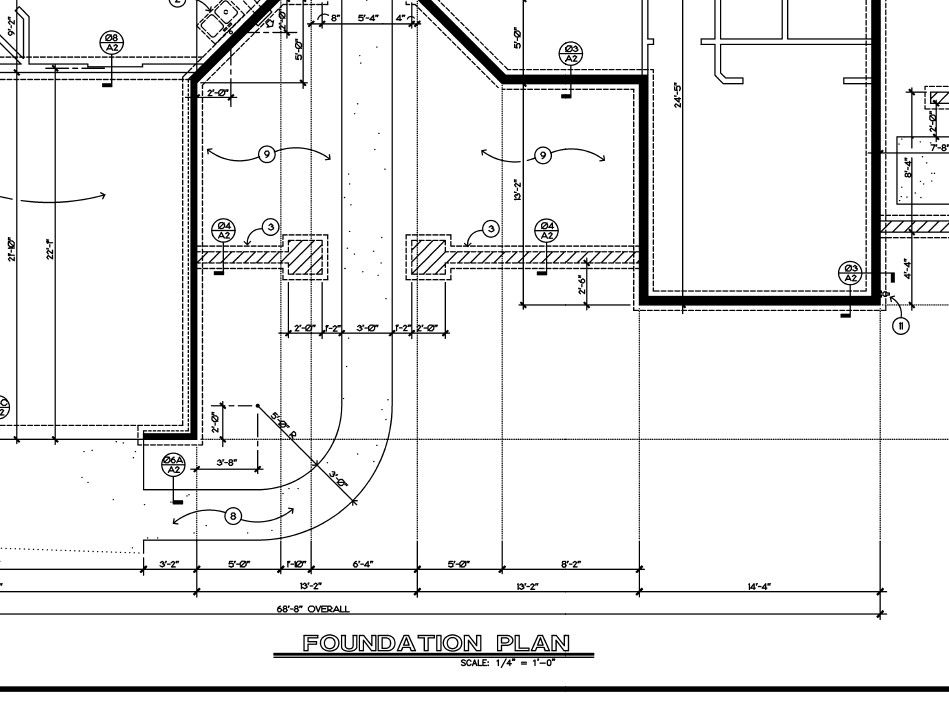
A drawing’s scale refers to the ratio between the measurements on the drawing and the corresponding measurements in reality. It is a fundamental aspect of construction documentation, allowing professionals to accurately communicate the size, proportions, and spatial relationships of elements within a building or structure.

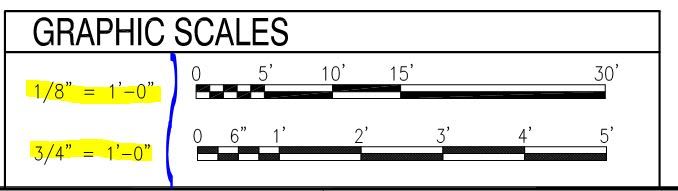
For example, a scale of 1/4″ = 1′ means that one-quarter inch on the drawing represents one foot in the real world. This enables architects, engineers, and builders to precisely interpret and execute the design.

Maintaining the correct scale is critical to ensure that the constructed result matches the original design intent. Any deviations from the intended scale can lead to a host of problems, including structural instability, non-compliance with building codes, and costly rework.

Most construction drawings will stipulate the scale via a legend and diagram.

Anyone submitting a bid for the work has to have drawings that are to scale.  If not, the cost of a take-off scaling blunder could be rather substantial!

In the following sections, we’ll explore the various scenarios in which a drawing’s scale may be inadvertently altered, such as through the copying process, and deliberate actions like enlargement or reduction. We’ll also provide practical tips on how to verify and correct the scale of drawings, ensuring that precision remains at the forefront of every construction project.

How a Copy Can Alter the Scale

Making copies of construction drawings is a common practice for distributing plans to various trades involved in a project. However, it’s crucial to be aware that the copying process itself can introduce changes to the scale. This occurs due to a combination of factors, including the precision of the copying equipment, variations in paper sizes, and slight distortions that may occur during the reproduction process.  Additionally inexperienced operators of equipment can overlook “stretching”, which sometimes occurs.

For instance, when a drawing is reproduced using a photocopier or scanner, there can be a small amount of distortion or scaling error introduced. This means that the dimensions on the copy may not be precisely proportional to the original drawing. In the case of a scale like 1/4″ = 1′, even a minor discrepancy in the reproduction process can lead to significant discrepancies in the final measurements.

To mitigate this risk, it’s advisable to verify the scale of copied drawings before they are used for construction. This can be done by measuring a known dimension on the copy and comparing it to the corresponding dimension on the original drawing. If any discrepancies are identified, adjustments should be made to ensure that the scale is accurate before proceeding with the project. This simple yet crucial step can save a project from potential inaccuracies and costly rework down the line.

Altered Dimensions and Proportions

Deliberate or unintentional enlargement or reductions to a construction drawing inherently leads to changes in dimensions and proportions. This can have significant consequences on the overall design. For instance, a structural element that was originally intended to bear a certain load may no longer meet specifications after a significant enlargement. Conversely, a reduced drawing may result in details that are too small to be safely constructed.

Potential for Inaccuracy

Each time a drawing is copied, yet alone scaled up or down, there is a risk of introducing inaccuracies. Even with the best tools and techniques, there is always a margin of error associated with this process. Therefore, it is crucial to carefully verify and double-check dimensions after any copies are made to ensure that they align with the original design intent.

Compliance with Codes and Standards

Changes in scale can potentially lead to non-compliance with building codes and industry standards. Elements like door widths, stair dimensions, and accessibility features must adhere to specific regulations. Inadvertent enlarging or reducing a drawing without meticulous attention to these details could result in costly rework or legal complications. Impact on Material Quantities and Costs such as enlarging a drawing may result in increased material quantities, while reducing a drawing could lead to reduced material requirements. This can have a direct impact on project budgets and timelines. It is crucial to carefully reevaluate cost estimations and procurement plans after any changes in scale to ensure they remain accurate.
Coordination Challenges

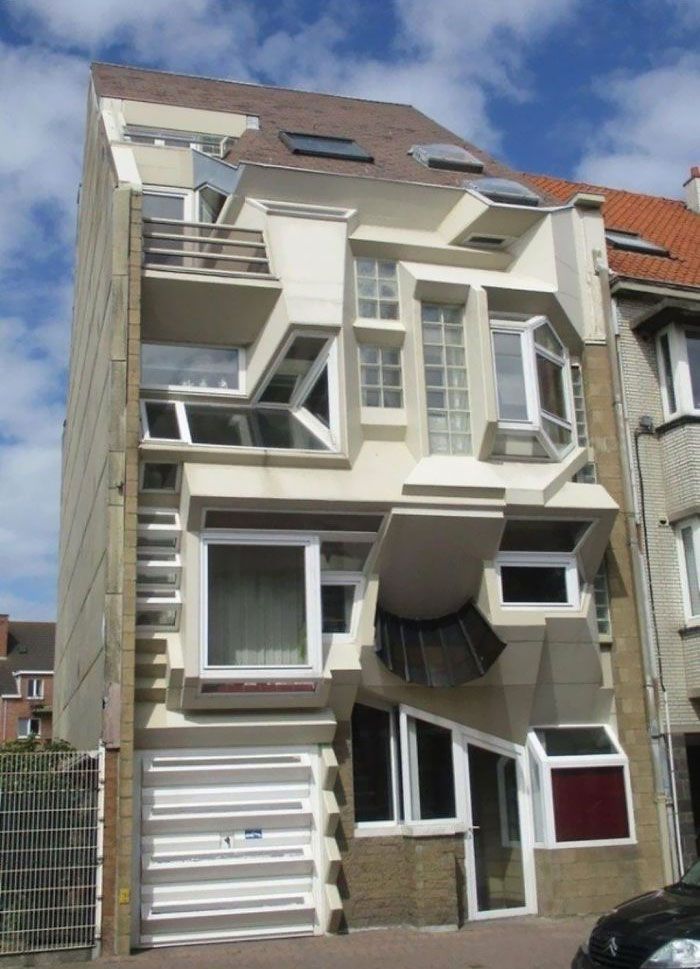
If multiple disciplines are involved in a construction project, changes in scale can lead to coordination challenges. Elements that were originally designed to align seamlessly may no longer fit together as intended. This can lead to conflicts on-site and may require additional effort to resolve.
Quality Control and Verification

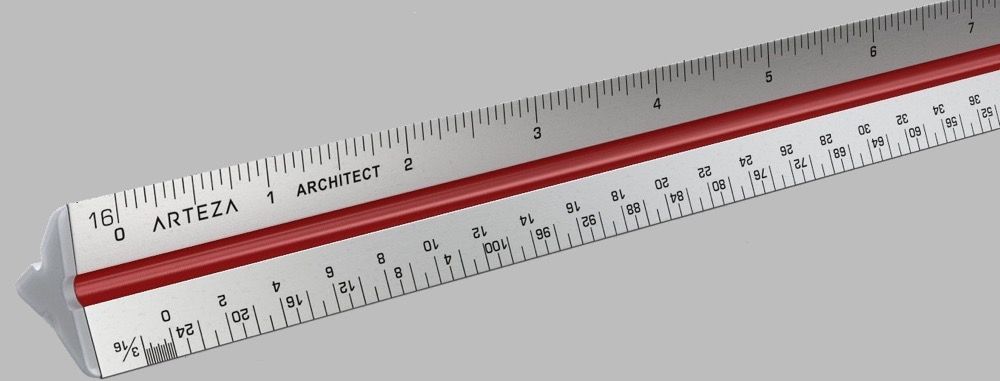
When a drawing is resized, it is imperative to conduct thorough quality control checks. This involves meticulously reviewing all dimensions and details to ensure they align with the revised scale. Any discrepancies or inconsistencies must be addressed promptly to maintain the integrity of the project.

How to Check a Plans Scale

Verifying the scale of a construction drawing is a vital step in ensuring the accuracy and integrity of a project. Here are some effective methods for checking a plan’s scale:

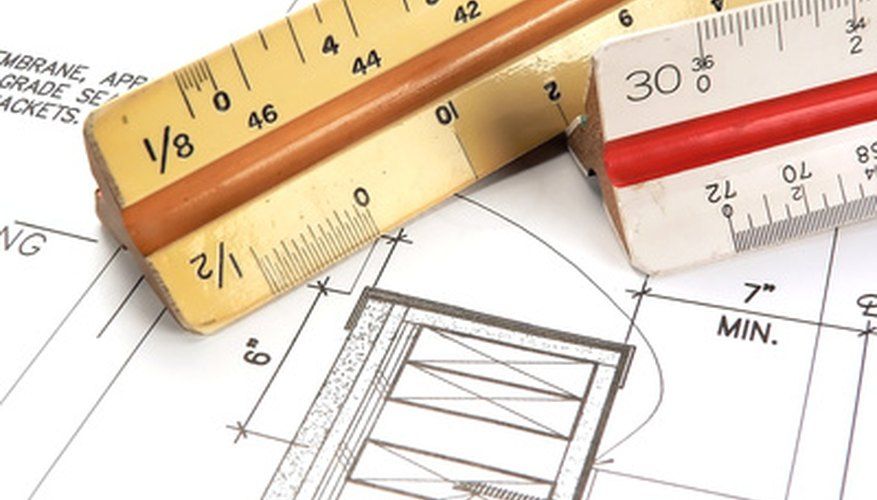
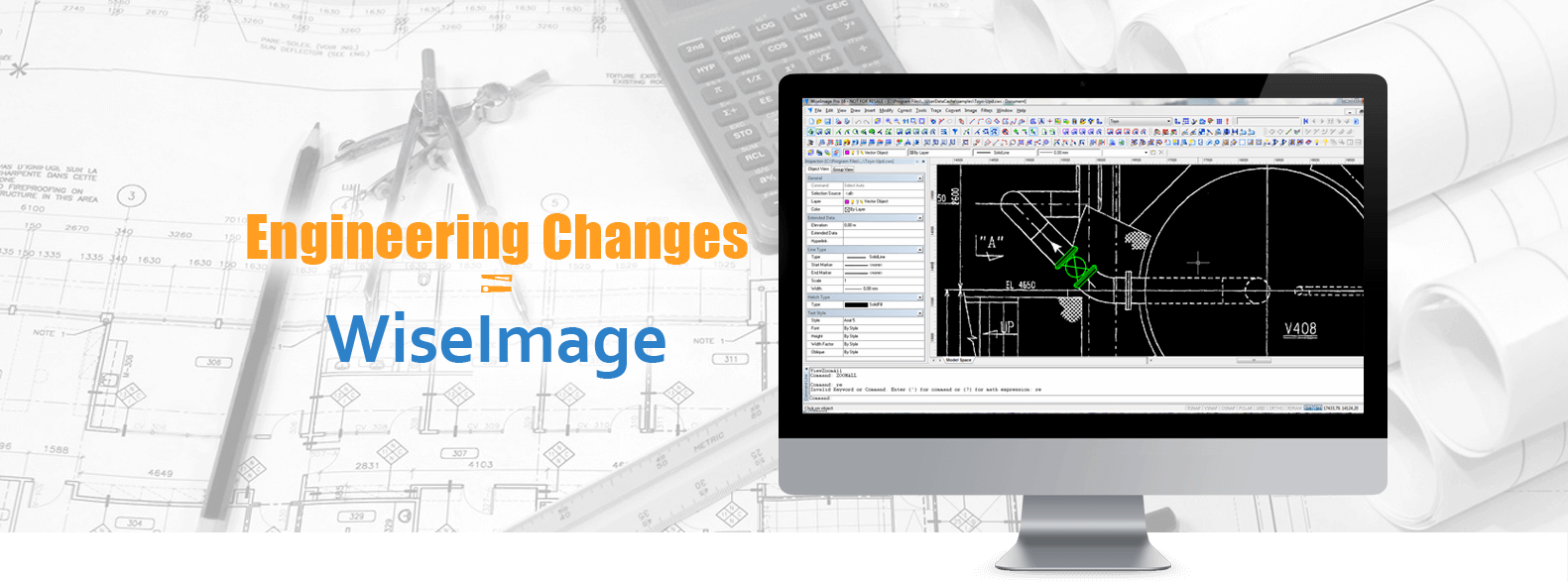
  1. Architectural scaleUse a Scale Ruler: A scale ruler is a specialized tool designed for measuring drawings at different scales. It has multiple calibrated edges, each corresponding to a specific scale ratio. By aligning the ruler with the dimensions on the drawing, you can quickly determine if the scale is accurate.

  2. Measure a Known Dimension: Identify a dimension on the drawing that you are certain about. For example, if there is a known distance between two walls, measure it on the drawing. Then, convert the measurement to real-world units using the stated scale. If the calculated measurement matches the actual distance, the scale is correct.
  3. Compare with Reference Dimensions: If the drawing includes reference dimensions (e.g., the length of a wall or the width of a doorway), verify that they align with the stated scale. Any discrepancies should be investigated and resolved.
  4. Overlay with a Known Template: If possible, overlay the drawing with a known template or physical object of a known size. This can be a printed scale ruler, a standard sheet of paper, or a physical object like a door or window frame. Ensure that the dimensions on the drawing align accurately with the template.
  5. Perform Cross-Checks: Compare various dimensions on the drawing to ensure internal consistency. For example, if the width of a room is stated, ensure that it is consistent with the dimensions of the walls that define it.

Remember, accuracy is so important in construction, and rectifying any scale discrepancies early in the process can prevent costly errors and delays later on. By implementing these methods, you can be confident that the drawing’s scale is correct and that the project will proceed according to plan.

How To Bring Out-of-Scale Plans Back to Scale

Discovering that a construction drawing is out of scale can be a cause for concern, but there are several steps you can take to rectify the situation and ensure accuracy in your project. Here are some effective methods for bringing out-of-scale plans back to their intended scale:

  1. Refer to the Original Source: If possible, obtain the original digital file or master copy of the drawing from the designer or architect. This source is less likely to have undergone any unintended alterations in scale.
  2. Reprint or Reproduce the Drawing: If the drawing was inadvertently altered during reproduction, consider re-printing or reproducing it using a high-quality, calibrated printer or copier. Be sure to select settings that maintain the original scale.
  3. Use a Scale Factor: Calculate the scale factor that was applied to the drawing and apply the inverse to restore it to its correct scale. For example, if the drawing was enlarged by 10%, use a scale factor of 0.9 to reverse the enlargement.
  4. Employ CAD Software: Scan the drawing to create a digital file format, convert it to CAD and utilize CAD software to rescale it accurately. This can be done by selecting specific reference points and adjusting the scale accordingly.Large scanner for sale, Large document scanner for rent, Large format inkjet printer near me
  5. Grid Method: Overlay a grid of known dimensions onto the drawing. Adjust the grid’s size until it aligns with the drawing’s features accurately. This method can help you determine the correct scale.
  6. Perform a Verification Check: Re-measure known dimensions on the drawing and compare them to the original dimensions. If discrepancies persist, make necessary adjustments until the measurements align correctly.
  7. Consult with Professionals: Seek guidance from architects, draftspersons, or experienced professionals who are well-versed in handling construction drawings. They may offer insights or specialized techniques for restoring scale.
  8. Consider a Professional Reproduction Service: If precision is critical, consider using a professional reproduction service equipped with high-quality equipment and expertise in handling construction drawings, like us:Large format plotter printer, Digitize blueprints, Best large format inkjet printer, Wide format digital printer, Large plotter

Remember, restoring a drawing to its correct scale requires meticulous attention to detail and precision. Regular verification checks and collaboration with knowledgeable professionals can help ensure that your project proceeds accurately and according to plan. By following these steps, you can effectively address and rectify any scale discrepancies in your construction drawings.

In Summary

While there may be valid reasons for enlarging or reducing construction drawings, it is key to check the accuracy of the scale. Changes in scale can have far-reaching implications on a construction project, From altering dimensions and proportions to potentially impacting compliance with codes and standards. By recognizing the potential challenges and implementing rigorous quality control measures, professionals in the construction industry can navigate changes in scale effectively and ensure the success of their projects.

The Rest of the Sub-Contractor’s Story

The morning after being awarded, the sub-contractor ordered the initial material and lined-up the labor.  On a much later site-visit to check on the progress he realized that he was going to run short on material.  Upon further investigating, he realized that he had also underestimated the labor time.

The sub-contractor realized what had happened and that it had actually been his mistake.  The original plans were to be plotted on 36″x48″ sheets, and without realizing it, he had requested a common size of 24″x36″ to use for his take-off and estimate.  The print shop had not questioned the request and he inadvertently looked past the legend’s scale when doing his take-off.

He was going to be more than midway through the project and had to make a decision.  Taking on this project could afford him the opportunity to do work for the largest most reputable General Contractor (GC) in town; it was well known that if he provided good workmanship and delivered timely with no issues that this GC would invariably provide him with a lot more work in the future.  He had signed a contract and realized that failing to perform would certainly have ruined his business.  Luckily he had passion for his business, a no quit attitude, and a home equity line of credit that he was able to utilize to purchase the additional material.  He also rolled-up his sleeves and worked long hours ahead of, along side of, and after his crew.  He also significantly reduced his expenses and had completely dwindled his available funds.

Fast-forward to today, the sub-contractor still does work for that GC, he has a very successful small business, and ever since has had us do all of his printing “to scale”!  We even spot check his prints to be assured that the scale is correct!

If you don’t have a trusted Blueprint Shop to work with, you can certainly send the work to us; we are very affordable! We are extremely efficient and are very professional!  Call us today at (602) 224-9971 or contact us now, we’re happy to help!

Plotter Pre-Purchase Insights: Maximizing a $1000-ish Budget

While the idea of purchasing a large format printer at a very affordable price is enticing, there are several compelling factors that you’ll wish you knew before you hit the “Buy” button!  Herein, we’ll delve into the potential drawbacks and limitations of opting for a budget-friendly large format printer and offer some helpful tips to stretch your budget to maximize the value of your purchase.

Do You Feel Lucky?

Although sometimes we get lucky and get good value out of something that we didn’t pay much for.  Perhaps it was a device that you got a good deal on a long time ago and it performed well for quite some time!  However, with technology purchases today, this unfortunately proves rarely to be the case.  It’s no secret that machinery fabricated today utilize cheaper parts that are often made of plastic that simply just break.  I just had to replace a toaster oven that we had purchased just a few years back; though my first toaster must have lasted a decade or two!  Unfortunately, it seems that the days of long lasting product durability may be gone!  So why not buy the least expensive wide format printer, if it’s not going to last either?


Pay Now or Pay Later

The old adage, “time is money” has significant relevance to answering the previous question.  Purchasing cheaper contains characteristics that are commonly less desirable.  These can be factors like: speed, print quality, durability, features, support, etc.  Some of us have at one time or another, purchased an inexpensive computer.  That cheap computer seemed to do everything in slow mode.  So although we spent less money on that computer; (hopefully) we learned that what we saved in money on the purchase, cost us in time (many times over for me)!  The feedback that we obtain from our loyal customers that have purchased the lesser expensive wide format printer, is that with time and aggravation, they “paid the price in the long run”!

Canon imagePROGRAF TA-20,HP DesignJet T125,

What Are the Drawbacks & Limitations

Herein we are discussing large format printer plotters that have a retail price of less than $2000; this includes those that sell for less than $1000.  Wide format plotters in this category are considered desktop printers, whereby a printer stand is optional, these printers are compact in design, and usually have an “exchange” warranty.

Volume & Capacity

Inexpensive wide format printers are designed to print a sheet or two per day.  Very, very low volume is all that a plotter in this category is designed to handle.

Durability & Lifespan

Inexpensive large format printers are typically built with lower-grade materials and components. This can result in a shorter lifespan and increased susceptibility to wear and tear. Investing in a higher-quality printer may initially seem pricier, but it often pays off in the long run due to increased durability and reliability.

Support & Warranty

Budget friendly printers often come with an “exchange” warranty, this means that if there is a warranty issue with your plotter, just send it back to the manufacturer, they will send you another used working printer (they usually do not send a new replacement) in its place.  This does not reset the warranty period, and there is no telling how many prints will have been run through the replacement printer.  By offering this type of warranty, the manufacturer limits their potential liability (in essence, it is not worthwhile for the manufacturer to incur the cost to send out a technician on such an inexpensive unit.  By offering limited or less comprehensive customer support and warranty options, the manufacturer limits their risk. This means that if issues arise, you may face challenges in obtaining timely assistance or repairs. Higher-end models often come with better customer support and longer warranty periods, providing added peace of mind.

Print Quality

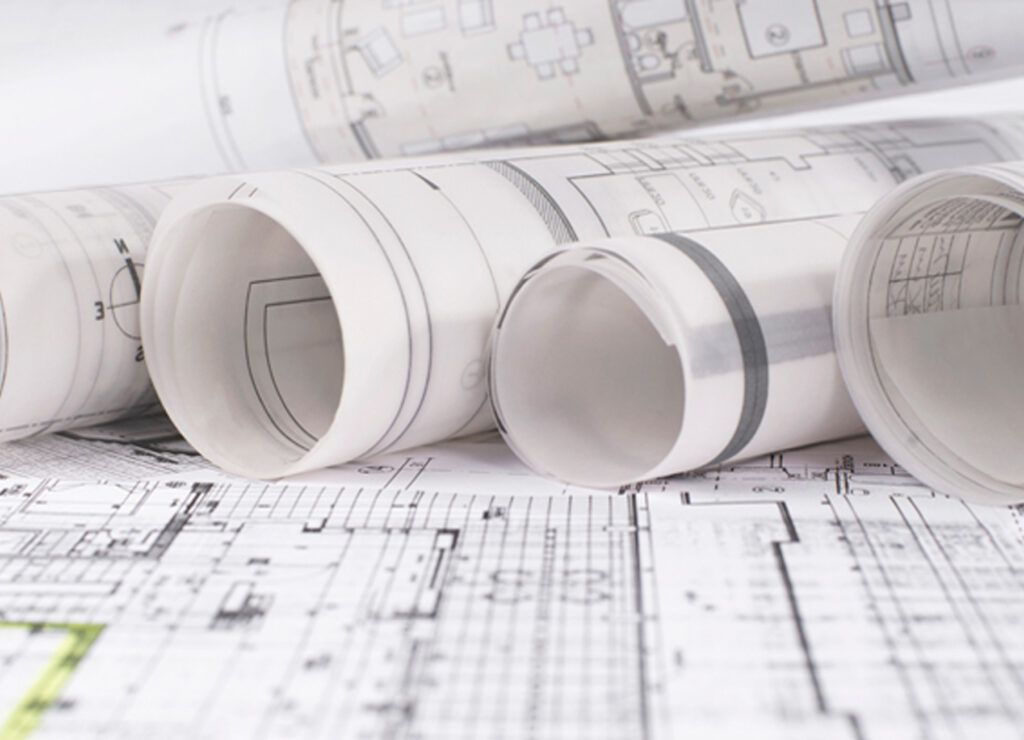
Wide format printers in the sub-$2000 range often compromise on print quality. These are typically simple four color machines; they may struggle with color accuracy, fine detail reproduction, and overall image vibrancy. For professionals seeking quality prints or precise technical drawings, investing in a moderate or higher-end model is significantly more beneficial.Architectural Plans

Media Compatibility

Budget-friendly large format printers may have restrictions when it comes to compatible media types and sizes. This limitation can hinder your creative endeavors, particularly if you require specific materials for your projects. Higher-end models offer a wider range of media compatibility, providing more flexibility in your printing options.

Connectivity and Features

Lower-priced large format printers may lack advanced features and connectivity options that are standard in higher-end models. This could include wireless printing capabilities, touchscreen interfaces, and cloud integration. These features can greatly enhance convenience and workflow efficiency, making them worth the investment.

Long-Term Costs

While the initial purchase price of a budget-friendly large format printer may be attractive, it’s essential to consider the long-term costs. Cheaper printers often use smaller ink cartridges that have, on a cost per mL, are significantly more expensive to replace. Additionally, they may have higher ink consumption rates, leading to greater overall expenses over time.  These low priced printers also seem to be more problematic and therefore the waste factor is likely to be considerably higher.  Also, since these printers are typically slower, plan for the user to spend more time, we would consider this as a soft cost, similar to the previous slow computer example.

Tips to Stretch the Budget    

  1. Buy it only if you can afford it!  If the right wide format printer costs more than you can reasonably afford, look to outsource to a blueprint shop like ours.  We can monitor your activity, and inform you when it might make sense for you to make that purchase.
  2. Finance or Lease a plotter!  We can customize a lease to fit your budget.  And you may also get some tax benefits too!
  3. Make your plotter an additional source of revenue!  Finding alternate uses for the equipment that could provide another profit center could help to fund the purchase, and eventually put more money in your pocket!
  4. Buy the right plotter for your particular needs! Often times some will try to buy a 36 inch wide printer to print a maximum size of 24″x36″; so by buying a 24 inch wide printer, they print most everything sideways and save some money!  Others buy a photo printer to print technical drawings; this too can be more costly than necessary.
  5. Buy a plotter from a reputable knowledgeable authorized dealer! We could share a lot of stories that have been shared with us about shady dishonest unethical salespeople; it’s simply safer to deal with a reputable well established company that’s been authorized for many years!  And it could save you a lot of money too!

wide printer for rent, wide printer near me, wide printer services, large format digital printing, large format printing services, inkjet plotter printerIn Summary

While a sub-$2000 large format printer may seem like a cost-effective solution, it’s crucial to weigh the potential drawbacks against the benefits. Investing in a higher-quality printer may initially require a larger sum, but it often pays off in terms of print quality, durability, and long-term cost-effectiveness. Before making a purchase, carefully evaluate your specific needs and consider the long-term value that a moderately higher-end model can offer.  And look to implement some of our money savings tips to stretch your plotter buying potential!

If you want more help to determine if the plotter that you’re looking at is right for you, or want our expert opinion of which specific plotter might be right for your particular needs, call us at (602) 224-9971 or contact us now, we’re happy to help!

What is Your Blueprint Shop Doing to Help You Secure More Work?

In the competitive landscape of the construction industry, securing projects can be a challenge. That’s where AZ Overland Blueprint goes above and beyond that of a typical blueprint shop. More than just a blueprint shop, Overland Blueprint is a strategic partner to providing more opportunities to bid on projects and expanding your network for potential work. Herein, we’ll delve into how our comprehensive services can help you by providing more than plot, print, copy, and scan work.

The Blueprint Shop with a Comprehensive Advantage

AZ Overland Blueprint offers a variety of services that go beyond the conventional blueprint shop.  Of course we provide plotting, printing, copying, and scanning services.  Receiving accolades for providing great service is common place; whereby we ask questions when something doesn’t look quite right, we respond quickly, and utilize the most efficient equipment in the industry to provide crisp clear images.  One service that we offer goes above and beyond that of a typical blueprint shop.  The service is that of assisting General Contractors (GC’s), Builders, Developers, and those acting as their own GC with the Bid Process.  Whereby we take on the administrative work by contacting potential bidders, providing the bid package, and follow-up in the process to help solidify that the GC, Builder, Developer, or Owner obtains more competitive pricing for their project.  So, from precise blueprinting to expert bid processing assistance, our team is committed to helping with the project. This comprehensive approach helps to potentially lower construction costs and empowers General Contractors (GCs), Builders, Developers, to in-turn bid with confidence.Construction Bidding

The Blueprint Shop’s Extensive Network

Success in bidding often hinges on access to a wide-ranging base of professional disciplines. At AZ Overland Blueprint, we open the doors to our extensive network, connecting those looking for bids with potential bidders. This invaluable resource significantly boosts your chances of securing more bids, obtaining more competitive bids, and expanding your future project pipeline.

The Blueprint Shop that Helps Contractors and Sub-Contractors

For contractors and sub-contractors, working with a blueprint shop that produces quality work quickly is paramount. However, one that does even more can be a game changer!  When a GC, Builder, or Developer has us put a job out to bid, we reach out to our loyal customers.  By providing our customers with these opportunities to bid opens the door to potentially getting the job, but also enables them to get future projects too!  So, are you maximizing your opportunities? At AZ Overland Blueprint, it’s our intention to help our customers to get more work. Partner with us to unlock new avenues of work and increase your reach with more contacts that can also lead to future projects.Bidding Construction Projects

Quality, Expertise, and Excellence

With AZ Overland Blueprint, you’re not just receiving blueprints; you’re benefiting from a legacy of excellence and over 35 years of industry expertise. Our commitment to fast quality service ensures that every project detail is accurately represented, giving you what you need quickly!

In Summary

In an industry where speed, quality, and customer service are paramount, AZ Overland Blueprint stands out as one of the best; yet what tips the scale is AZ Overland Blueprint’s commitment to truly offering a benefit to both sides via helping to facilitate bidding opportunities. Our comprehensive services, extensive client network, and unwavering commitment to quality and expertise make us the blueprint shop that goes above and beyond. Does your blueprint shop help you lower your construction project’s costs and/or offer you the opportunity to obtain more work?  If not, contact us today!  Or, call us now at (602) 224-9971, we want to help you achieve greater success!

What’s the Most Common Large Paper Size? “C” “D” “E” What?

The Requester, “Print that in full size!”

The Reply, “What size is that?”

The Requester, “I don’t know, “C” or “D” I don’t know!

In the realm of technical wide format printing, clarity in understanding paper size designations is crucial when creating files. The alphanumeric labels used to denote different paper sizes can be a source of confusion. So, herein we’ll unravel the mystery surrounding these letter designations, shedding light on the meaning and application of each paper size in wide format printing.  And answer the question, What’s the most common paper size for printing architectural &/or engineering plans.

Understanding Paper Size Designations:

The designations used for paper sizes are a standardized system that provides an indication of a document’s dimensions. These letter sizes were set to serve as a universal language in the printing industry, to ensure that technical documents are reproduced accurately and consistently across various printing equipment.  The problem is that interpretation of these designations are not always defined with consistent dimensions.Architectural & Engineering Paper sizes

Common Paper Size Designations in Wide Format Printing:

  1. ANSI Paper Sizes (ANSI A to ANSI E):

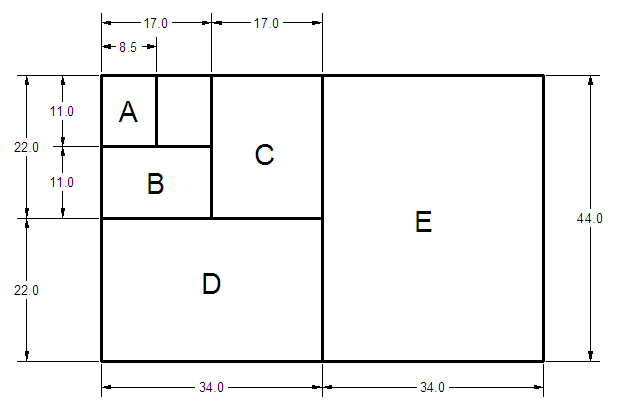
    • The ANSI system is widely used in North America for technical drawings and engineering documents. It comprises sizes ranging from ANSI A (8.5″ x 11″) to ANSI E (34″ x 44″), with each size offering a different level of detail and scope.ANSI paper sizes
  2. ISO Paper Sizes (A0 to A4):

    • The ISO system, based on the A-series, is a global standard for paper sizes. Starting with A0 (33.1″ x 46.8″), each subsequent size is half the area of the previous one. This system is widely used for general printing and design, including technical documents.
  3. Architectural Paper Sizes (ARCH A to ARCH E):

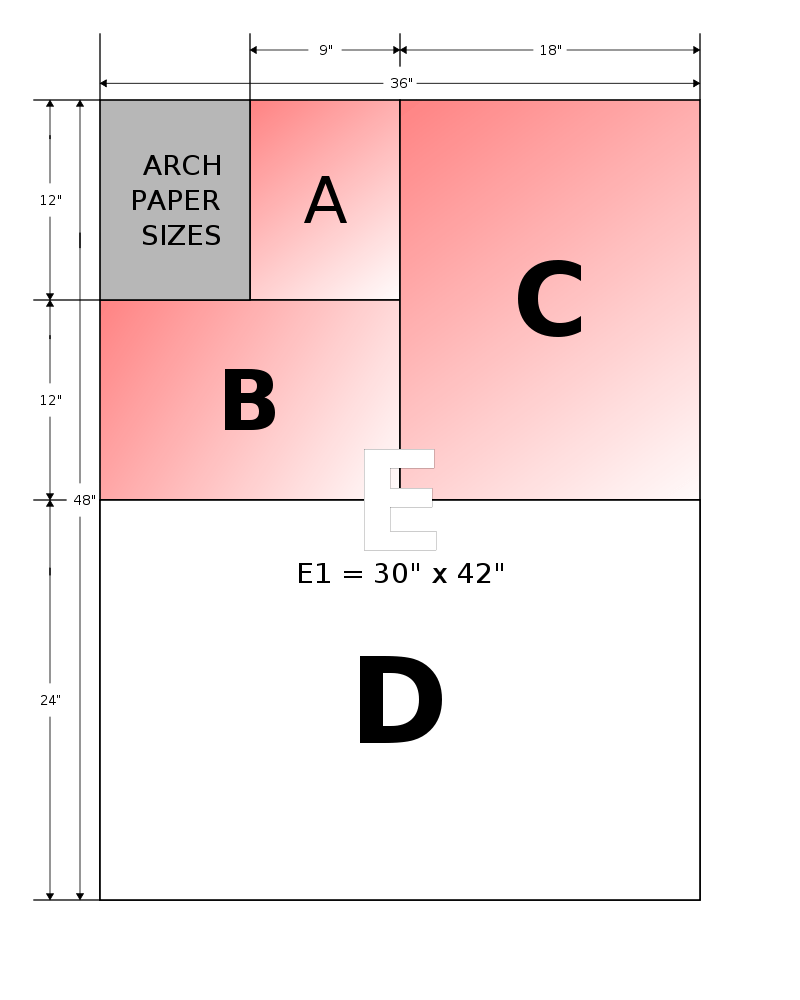
    • Architectural sizes, commonly used in the United States, are denoted by the label “ARCH” followed by a letter (A to E). These sizes cater specifically to architectural and engineering drawings, ranging from ARCH A (9″ x 12″) to ARCH E (36″ x 48″).Architectural paper sizes
  4. ISO B Paper Sizes (B0 to B5):

    • The ISO B-series is another global standard, based on the geometric mean of the A-series sizes. Starting with B0 (39.4″ x 55.7″), each subsequent size is half the area of the previous one. It’s widely used for posters, brochures, and technical drawings.
  5. JIS Paper Sizes (B0 to B10):

    • The Japanese Industrial Standard (JIS) system, similar to the ISO B-series, is commonly used in Japan. It includes sizes from B0 (39.4″ x 55.7″) to B10 (7.2″ x 10.1″) for various design and technical applications.

Clarifying the Confusion:

Follow the Size that’s Set in the File:

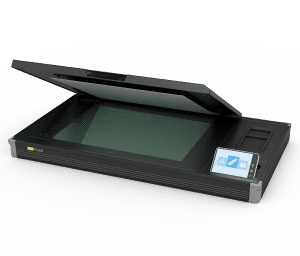
PDF & TIF files contain the original paper size.  At the time that the file was created, the author designated the paper size.  To find the paper size of a PDF file, open the file in Adobe, and simply hoover your mouse over the bottom left corner of the image, the page dimensions will pop-up!
Scrap the Letter & Use the Dimensions:

For clarity, don’t bother with the letter designation, simply state the dimensions of the paper that you want.

Understanding Size Progression:

If you really want to know: The progression of sizes within each system is based on halving or doubling the dimensions, which provides a logical and consistent approach to paper sizing.

Matching Size to Project Scope:

Choosing the right size involves considering the scope and level of detail in your technical document. Larger sizes are suitable for comprehensive plans, while smaller sizes are ideal for compact layouts or details.

Leveraging Standardization for Consistency:

Standardized paper sizes ensure consistency across documents and printing equipment, making it easier for professionals to collaborate and communicate effectively.Oversized scan, Wide format printing services, Buy large format printer, Wide format printing services

What are the most common paper sizes?

For printing Architectural drawings or plans, in our print shop, the most common size is 24″x 36″, next is 30″x42″.  Architectural scaleHowever, regardless, the smart way to print is to pay less attention to the paper size, and instruct your printer to print it at 100% scale.  This will insure that the accuracy of your printing is correctly to scale!

In Summary

By familiarizing yourself with the alphanumeric labels denoting paper sizes, you empower yourself to make informed decisions regarding the dimensions of the technical documents that you are creating.  If you are printing, utilize the paper size that has been designated for you in the file, and print at 100% scale. Understanding the purpose and characteristics of each size designation enables you to set clear, precise, and visually impactful wide format prints that effectively convey your design intent and technical specifications.

If you are seeking information, want paper size clarification, or need a file printed and are unsure what size to print it at contact us today!  Or, call us now at (602) 224-9971!

What’s the Difference Between Scanner & Plotter? 2 Key Devices

In the realm of digital technology, the number of tools available for various tasks can be overwhelming. Among these, scanners and plotters are two indispensable devices that serve distinct functions. Understanding their differences and applications can help you to understand which type of device you might need. Herein, we’ll delve into the intricacies of scanners and plotters, shedding light on their unique features, purposes, and benefits.

Scanners: Capturing and Digitizing

A scanner is an input device designed to convert physical documents, images, or objects into digital formats. It utilizes technology to capture the details of a document or image, translating them into a digital representation that can be stored,  shared electronically, and possibly edited.  Like a camera, that’s commonly used to capture people, places, and scenery; a scanner is commonly used to digitize printed material, documents, and artwork.  Though the scope of uses for both can be far more vast.  It is important to note that while both a camera and a scanner are both devices for capturing images, the types of things that they each capture are completely different.  And when utilizing images by utilizing the wrong device, simply provides inferior results.  An example of this could be trying to take a picture of yourself utilizing a scanner or copy machine!

Types of Scanners:

Best large format inkjet printer, Wide format digital printer, Large plotterFlatbed Scanners: Featuring a flat, glass surface onto which the document or image is placed for scanning. They are versatile and suitable for a wide range of items, including photographs, pages from books, some materials, and artwork.
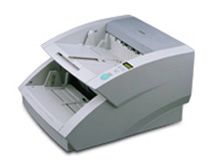
Plotter scanner for rent, Oversized scanner near me, Large format digital printing, Large format printing servicesSheet-fed Scanners: These scanners are optimized for processing multiple sheets of paper in rapid succession. They are commonly used in offices for tasks like scanning documents, like contracts, invoices, and records.

Book Scanners: These scanners have a cradle to hold books, with the scanner module over the cradle.  These scanners are most exclusively utilized to scan books and magazines.
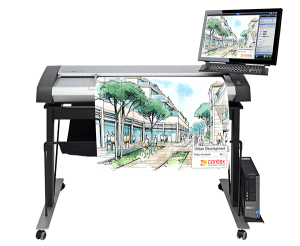
HD Ultra ScanStation PRO, Kodak Scanners, Large format printing companies, Blueprint plotter, Large format plotter printer, Digitize blueprintsWide format scanners, or large format scanners: Roll-fed scanners that are used to capture architectural or engineering blueprints, maps, schematics, etc.
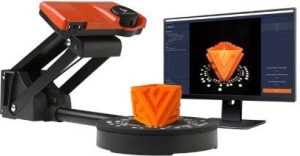
3D Scanners: These scanners scan 3 dimensional objects.
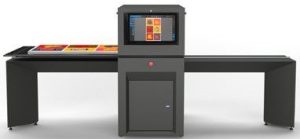
Fine Art ScannerFine Art Scanners: Put the artwork on a table that moves through the scanner without ever touching the artwork.
Applications:

  • Digitizing Documents: Scanners play a crucial role in converting physical documents into digital files.
  • Organization: Digitizing simplifies more efficient organizing of source material, reducing clutter and facilitates clearing up office space.
  • Sharing Information: Digital documentation can easily be shared virtually anywhere in the world.
  • Archiving: Institutions and businesses use scanners to preserve historical documents, and other valuable materials in digital form.
  • Image Editing: Photographers and graphic designers use scanners to capture high-quality images for editing and manipulation in various software programs.

Benefits:

  • Preservation of Physical Copies: Scanning documents ensures their long-term preservation, it stops the aging process for documentation, reducing the risk of loss or damage.
  • Enhanced Accessibility: Digital files are easily searchable and can be accessed remotely, promoting efficient collaboration and sharing.

Plotters: Transforming to Print

In contrast to scanners, plotters are output devices that produce physical copies of digital designs or images. They create intricate, large-scale reproductions by precisely laying ink or toner onto media utilizing a process within the technology.  A plotter is a wide format printer.  Where it gets a little confusing is when a scanner is combined with the printer (ie. the scanner is in the top portion of the equipment and the print engine is under), this combined equipment is sometimes called a “plotter” (really confusing), or “MFP plotter” (a little less confusing)!

Types of Plotters:

Printing Plotters: These plotters use ink or toner. They are commonly used for technical drawings, architectural plans, and artistic renderings.  Within printing plotters, there are three types of technology commonly used today (Pen Plotters are passe), they are:

  • InkJet Plotters
  • LED Plotters
  • Laser PlotterEpson T5770DR 36" color plotter

Within Printing Plotters there are a plethora of different printing applications (types of plotters for the intended use), they are:

  • Technical Plotters
  • Photo Plotters
  • Graphics Plotters
  • Sublimation Plotters
  • Direct to Garment Plotters
  • Rigid Substrate Plotters

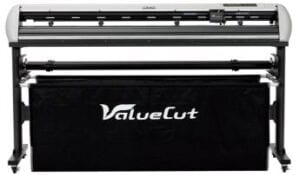
Cutting Plotters or Contour Cutters: Instead of using ink toner, cutting plotters employ a sharp blade to cut out shapes from materials like vinyl or paper. They are extensively used in industries like sign-making and fashion design.ValueCut Contour Cutter Plotter

Applications:

  • Engineering and Architecture: Plotters are indispensable tools for creating detailed blueprints, architectural plans, and technical drawings with utmost precision.
  • Design and Prototyping: Industries that require accurate representations of designs, such as fashion, automotive, and aerospace, utilize plotters for prototyping and pattern-making.
  • Signage and Graphics: Cutting plotters are commonly used to produce vinyl decals, stickers, and other custom graphics.

Benefits:

  • High Precision: Plotters excel at producing precise, detailed reproductions with consistent quality.
  • Versatility: Cutting plotters, in particular, can work with a variety of materials, opening up a wide range of creative possibilities.

In Summary: Bridging the Gap

In summary, scanners and plotters are pivotal devices in the world of digital technology, each serving a unique purpose. Scanners are input devices, bringing physical documents into the digital realm, while plotters are output devices, transforming digital designs into tangible, real-world creations printed onto media. Understanding their capabilities and applications empowers individuals and businesses to harness the full potential of these indispensable tools, unlocking new levels of productivity and creativity in the process.

Explore our selection of reliable wide format plotters and scanners at AZ Overland Blueprint. We offer quality equipment with the peace of mind that comes from dealing with a trusted source.  If you are seeking information or want to purchase a wide format plotter or large format scanner contact us today!  Or, call us now at (602) 224-9971!

Who Makes The Best Technical Inkjet Plotters?

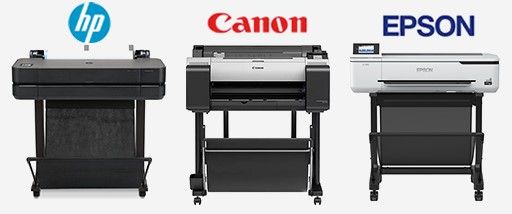
In the realm of technical inkjet printing; precision, reliability, and efficiency are all important. When it comes to technical inkjet plotters, choosing the right brand can significantly impact quality and efficiency. With three major manufacturers in the field, each offers their own strengths and weaknesses, the question though: which brand stands out as the best? Herein, we’ll look into each of the the top three brands of technical inkjet plotters, exploring their distinctive features, advantages, and performance; additionally, we’ll also highlight the potential issues to be aware of to help you make an informed choice.

HP – Precision Pioneers

HP Designjet 1050C Plus 36" Large Format Color Network Printer Plotter ...Just like “Xerox” has been synonyms with the paper copy, or “Google” with the internet search, so to has the “HP DesignJet” with technical series plotters.  The HP DesignJet series has been a line of large-format printers developed and manufactured by Hewlett-Packard, now known as HP. These printers have played a significant role in the field of computer-aided design (CAD) and technical drawing since their introduction. The history of the HP DesignJet series dates back to the late 1980s when HP introduced its first large-format inkjet printer, the HP DesignJet 650C. This printer was designed to cater to professionals in architecture, engineering, and design, providing a more efficient and precise way to print technical drawings compared to traditional pen plotters.  Soon after, HP released the very popular dependable, long lasting HP DesignJet 1050C series.  And later came out with the more economical HP DesignJet 500 series. HP stands as a pioneer in the technical wide format printing industry, renowned for its precision and reliability. HP DesignJet technical inkjet plotters became synonymous with impeccable print quality and consistency, making them a top choice for architects, engineers, and design professionals. With a wide range of models catering to various needs, HP established itself as a trusted name brand in the field.

HP Designjet Z5400 PostScript ePrinter Series - Load a roll into the ...Yet, if you have ever consistently worked with an HP DesignJet printer, I’m sure that you’d agree that these plotters are finicky when it comes to loading paper.  It often takes several attempts to get the plotter to accept the paper, a definite frustration point!  HP 777 DesignJet Printhead 3EE09A B&H Photo VideoAnother issue with the HP DesignJet printers is that over time print quality diminishes; this is usually caused by wear & tear of the printheads.  Fortunately it has user replaceable prinheads, but unfortunately, the user has to purchase these prinheads, which increases the total cost of ownership.
Canon – A Worthy Competitor

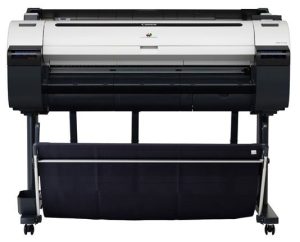
Canon imagePROGRAF iPF770 plotter,Large scanner for sale, Large document scanner for rent, Large format inkjet printer near meNext came the Canon imagePROGRAF series; a line of large-format inkjet printers manufactured by Canon. These printers are designed for professionals in various industries, including architecture, engineering, graphic design, photography, and fine art.  The Canon imagePROGRAF series made its debut in the early 2000s as Canon’s response to the growing demand for high-quality, large-format printing solutions. The Canon imagePROGRAF iPF600 & iPF700 printers were initially designed to cater to professionals in the architecture and engineering fields, where the need for precise and detailed large-format prints was significant. Canon incorporated advanced technologies such as Lucia pigment inks for improved color accuracy and longevity. Their technical inkjet plotters excel in reproducing true-to-life colors and intricate details, which is particularly valuable for professionals in fields where precise color matching is critical. Canon plotters are favored by those who demand the utmost color precision in their technical prints.  These imagePROGRAF printers are known for their high-quality color accuracy, versatility, and reliability, making them popular choices for a wide range of applications.

Canon Pf04 Print Head For Imageprograf Printers Ipf-04,ipf650/655/750/755Canon’s wide format plotters also have a user replaceable printhead, that although requires replacement less frequently than its HP counterpart, the Canon prinhead is significantly more expensive; so this too has a piercing impact on the total cost of ownership.

Epson – Known For Color

Epson Stylus Pro 9800 | Pro 系列 | 影像繪圖機 | 大尺寸印表機 | 支援服務 | Epson TaiwanThe early Epson printers have been well known for their high-quality color accuracy, advanced printing technologies, and versatility, making them popular among professionals in various industries. The Epson Stylus Pro series plotters made its debut in the late 1990s, initially targeting the graphic design and pre-press industries. These printers were designed to offer higher color accuracy and resolution compared to consumer-grade inkjet printers.  One of the notable features of the Stylus Pro series was the use of advanced printing technologies, including Epson’s proprietary MicroPiezo inkjet technology. This technology allowed for precise droplet placement, resulting in sharp and detailed prints.  Epson then introduced the SureColor series in the early 2010s as a successor to its earlier Stylus Pro line of large-format printers. The series aimed to set new standards for image quality and color accuracy in the professional printing industry that also tapped into the architectural, engineering, and design professional communities.  One of the standout features of the SureColor series has been its PrecisionCore printhead technology. This technology allows for incredibly precise droplet placement and control, resulting in sharp and detailed prints with accurate color reproduction. Additionally, Epson’s UltraChrome inks have become a hallmark of the SureColor series. These UltraChrome pigment-based inks were developed to provide not only vibrant and accurate colors but also long-lasting prints resistant to fading and environmental factors. Epson has a reputation for delivering precision with an artistic touch. Their technical inkjet plotters are celebrated for their exceptional color gamut and image depth, making them a preferred choice for those who need detailed, high-quality prints with stunning visual impact. Epson’s plotters are well-suited for creative professionals who prioritize aesthetics.  The Epson SureColor T-series also focus on workflow efficiency, are designed with user-friendly interfaces, and seamless connectivity options, ensuring a smooth and productive workflow for businesses and design professionals alike.

DIGIPRINT SUPPLIES (an S-One company). Epson SureColor MicroPiezo ...Epson’s printhead is a non-consumable part.  So, if print quality were to degrade due to printhead issues, it would be covered under the manufacturer’s warranty, or extended warranty.  Though,  if the plotter is out of warranty, this could be a very expensive item to fix or replace (so play it safe and budget for the extended warranty)!  SCT3270SR | Epson SureColor T3270 Single Roll Edition Printer | Large ...The draw-back of the Epson SureColor is the user maintenance functions: after a few days of inactivity (like a weekend) it’s advisable that the user perform some on screen functions: a nozzle check, which prints a small grid to signify print quality; if that displays an issue, a self sustained function of pressing a button to clean printhead.

In Summary

The quest for the best brand of technical inkjet plotters is subjective and depends on your specific needs, preferences, and priorities. They each have their own particular pros & cons; so, the driving factor should be in evaluating what is going to work better for your workflow.  Carefully assess your project requirements, budget, and workflow to find the brand that aligns best with your professional goals. Ultimately, the “best” choice is the one that complements your unique technical printing objectives.  We primarily sell technical inkjet plotters because technical inkjet printers are more suitable for the overwhelming majority of our customers.

Epson Printers, Epson Scanners, Epson CartridgesCanon Logo

If you want more help deciding which brand is right for you, or want our expert opinion of which specific plotter is right for your particular needs, call us at (602) 224-9971 or contact us now, we’re happy to help!

0
    0
    Your Cart
    Your cart is emptyReturn to Shop